RWA Infrastructure & Real Estate Tokenization
Integra Layer: Dedicated Layer 1 Blockchain Built for Real Estate Tokenization with $12B+ Consortium – RWA News April 2026
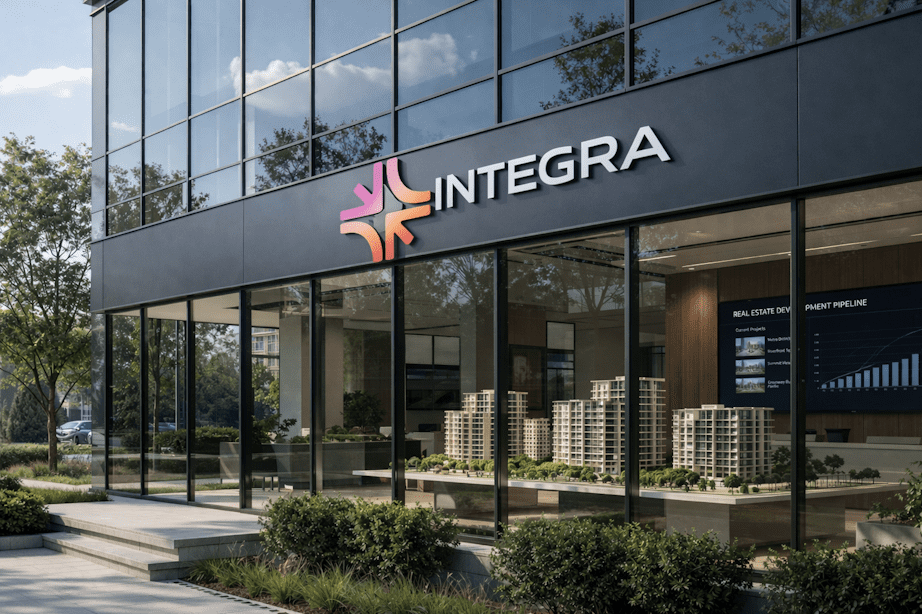
Integra Layer is a Layer 1 blockchain built specifically for real estate tokenization. It is not a general-purpose chain trying to handle everything. The project was designed from the start to deal with the real problems in property markets — illiquidity, paperwork, slow settlements, and complex compliance.
The team behind it comes from real estate asset managers. A consortium of global partners with more than $12 billion in assets under management is involved from the beginning. These are property developers, funds, and infrastructure providers across the U.S., Europe, and the Middle East. They are bringing actual properties to the network, not just plans.
What Integra Is Trying to Solve Real estate is one of the largest asset classes in the world, but it moves slowly. Buying or selling takes time, costs a lot in fees and paperwork, and most people cannot own a piece of a building without massive capital. Integra wants to change that by making properties fractional, tradable on-chain, and easier to manage while keeping things compliant.
The project says it does not tokenize just to tokenize. It is building infrastructure that institutions, governments, and regular users can actually trust. That means verifiable ownership records, automated cash flows from rents or dividends, and data that works across different chains and jurisdictions.
How the Tech Works Integra runs on the Cosmos SDK with Ethermint for EVM compatibility. This gives it Cosmos-style interoperability and security plus the ability to run Ethereum-style smart contracts. The network has layers focused on real estate-specific needs: core blockchain operations, asset handling, and applications for issuing and trading tokens.
One of the main features is the Asset Passport. Each verified property gets a dynamic profile that tracks activity across chains. It pulls in on-chain events and adds external data like valuations, location details, images, and documents. Lawyers, valuers, and inspectors verify the information. The passport is meant to be human-readable and searchable, so anyone can check ownership and history in one place.
The native token is $IRL. It handles fees, staking, governance, and ecosystem incentives. All transactions and compliance checks settle in $IRL.
Current Status Integra Layer Foundation / Leeward Management Limited is registered in the Cayman Islands. The site shows “Launch a Passport Coming Soon” and options to join the ecosystem. The consortium is already lined up with real assets, and tokenized properties are expected to generate rental income and dividends once live.
The project has joined groups working on compliant tokenization standards. It focuses on permissioned tokens and on-chain identity to meet regulatory requirements in different markets.
Why This Matters for RWAs Real estate is a $400 trillion market that stays mostly off-chain. If Integra works as planned, it could bring fractional ownership to more people, speed up trading, and automate payments without losing the legal side of things. That would add real liquidity to a market that has always been slow and expensive.
For the wider RWA space, a dedicated chain for one big asset class shows a different path. General blockchains often struggle with the legal and data needs of property. A specialized Layer 1 might handle compliance and cash flows better in the long run.
Practical Points to Watch If you follow RWAs, here is what to keep an eye on:
- First tokenized properties from the consortium — watch for announcements on actual buildings going live.
- How the Asset Passport works once launched — it is supposed to make ownership records clear and up to date.
- $IRL token utility — fees and staking will tie directly to network activity.
- Compliance features — permissioned tokens and identity tools are key for regulated real estate.
- Integration with other platforms — see how it connects to existing RWA tools or exchanges.
Start with the basics. Check the official site and dashboard when features roll out. Real estate moves slower than most crypto projects, so expect updates over months, not days.
Risks to Consider Tokenizing real estate brings real legal and operational hurdles. Custody, valuation, and local regulations vary by country. Early liquidity on any new chain can be thin. Execution risk is there — building a full Layer 1 with institutional assets takes time. Always look at the underlying properties, custodians, and legal structures before getting involved.
Bottom Line Integra Layer is a focused attempt to build blockchain infrastructure just for real estate. With $12 billion-plus in committed assets from a consortium of actual property players, it starts with more real backing than many RWA projects. If it delivers on verifiable data, compliance, and liquidity, it could help bring a big traditional market on-chain in a practical way.
Website https://integralayer.com
X Account https://x.com/integra_layer
RWA News Network will keep covering specialized infrastructure projects like this and how they fit into the tokenized asset space.
Subscribe to RWA News Network for updates on RWA Layer 1 projects, real estate tokenization, and institutional developments.

Integra Layer: Dedicated Layer 1 Blockchain Built for Real Estate Tokenization with $12B+ Consortium – RWA News April 2026

Lise and Kaiko Partner to Deliver Institutional-Grade Market Data for Tokenized Securities – RWA News April 2026

Tokenized RWA Market Reaches $23.6 Billion with 66% Growth in 2026

Mitsubishi Corporation Adopts JPMorgan’s Kinexys Blockchain for Global Payments – A Major Step for Tokenized Corporate Treasury in 2026

Tokenized Real Estate Is Quietly Gaining Ground in 2026 as Institutions Line Up

Ripple Keeps Tightening RLUSD Supply with Fresh Burns – What It Means for Stablecoin Stability in 2026

RWA Projections 2026–2030: From $26 Billion Today to Multi-Trillion Scale

Tokenized US Treasuries Reach $11B–$12B Record – Yields & Top Funds

Tokenized Real World Assets Surge Past $27 Billion in March 2026 – The Quiet Revolution Reshaping Global Finance

JPMorgan Now Accepting Bitcoin and Ethereum as Institutional Collateral – RWA News March 2026

Robinhood CEO Vlad Tenev Urges CLARITY Act for Stablecoin Yields – RWA Boost in March 2026

BlackRock CEO Larry Fink and Coinbase CEO Brian Armstrong Both Bullish on Tokenization
-
 Market Projections & Outlook7 months ago
RWA Projections 2026–2030: From $26 Billion Today to Multi-Trillion Scale
-
Real World Assets7 months ago
Tokenized US Treasuries Reach $11B–$12B Record – Yields & Top Funds
-
Market Data & Insights7 months ago
Tokenized Real World Assets Surge Past $27 Billion in March 2026 – The Quiet Revolution Reshaping Global Finance
-
Institutional & Collateral Updates7 months ago
JPMorgan Now Accepting Bitcoin and Ethereum as Institutional Collateral – RWA News March 2026
-
Real World Assets7 months ago
Robinhood CEO Vlad Tenev Urges CLARITY Act for Stablecoin Yields – RWA Boost in March 2026
-
Institutional Bullishness & Tokenization Outlook7 months ago
BlackRock CEO Larry Fink and Coinbase CEO Brian Armstrong Both Bullish on Tokenization
-
Real World Assets7 months ago
Fidelity Calls on SEC to Expand Broker-Dealer Crypto Capabilities via Alternative Trading Systems – RWA News
-
Institutional Adoption & Tokenized Securities7 months ago
NYSE Partners with Securitize to Build 24/7 Tokenized Securities Platform – RWA News March 2026