Figure Heloc (FIGR_HELOC) – Tokenized Home Equity Line of Credit

Figure Heloc (FIGR_HELOC) – Tokenized Home Equity Line of Credit Overview
Figure Heloc (FIGR_HELOC) is a tokenized representation of home equity lines of credit (HELOCs) originated by Figure Technologies, a U.S.-based fintech platform. Each token corresponds to fractional ownership in a pool of HELOCs — revolving credit lines secured by real estate equity. This RWA brings traditionally illiquid consumer credit assets onto the blockchain, allowing investors to gain exposure to interest payments from borrowers while benefiting from on-chain liquidity, transparency, and fractional participation.
Figure pioneered this model by originating HELOCs digitally (fast approvals via blockchain-based processes) and securitizing them into tokens. This creates a bridge between real estate credit markets and digital finance, enabling secondary trading and potential DeFi integrations.
Live Market Snapshot [rwa_detail id=”figure-heloc”]
How Figure Heloc Works
- Origination: Borrowers apply for HELOCs through Figure’s platform (quick, blockchain-verified process).
- Tokenization: Approved loans are pooled and tokenized, with FIGR_HELOC representing shares in the pool.
- Cash Flows: Interest and principal payments from borrowers flow to token holders (distributed periodically).
- Liquidity: Tokens tradable on secondary markets or exchanges for price discovery and exit options.
- Compliance: Structured to meet U.S. regulatory standards for credit assets.
- Transparency: On-chain tracking of pool performance and payments.
Current Market Position Figure Heloc leads many RWA lists by scale (~$15B+ equivalent), reflecting high origination volume and successful tokenization. It demonstrates the potential for consumer credit to become a major RWA category.
Comparison to Alternatives
- Vs. Other Private Credit RWAs (e.g., Centrifuge or Maple): Figure focuses on consumer HELOCs vs. business loans; higher scale but more consumer risk exposure.
- Vs. Tokenized Treasuries (BUIDL, USTB): Higher potential yield but increased credit risk vs. government-backed low-risk.
- Vs. Traditional HELOCs: On-chain liquidity and fractional access; no direct borrower interaction.
Risks and Considerations
- Credit risk (borrower defaults on HELOCs could impact yields).
- Real estate market fluctuations (collateral value).
- Liquidity risk on secondary markets (though improving).
- Originator dependency (Figure’s performance).
- Regulatory changes in consumer credit or tokenization.
Use Cases
- Yield generation from consumer credit pools.
- Portfolio diversification into real estate-backed assets.
- DeFi collateral or lending (where supported).
- Institutional exposure to HELOC cash flows without direct lending.
Historical Context Figure began tokenizing HELOCs early in the RWA wave (2021–2022), scaling rapidly as blockchain adoption grew. By 2026, it represents one of the largest tokenized credit products.
Future Outlook Consumer credit RWAs like Figure Heloc could expand significantly in 2026, with more pools, secondary market depth, and integrations. Rising home equity levels may drive origination volume.
Resources & Attribution
- CoinGecko ID: figure-heloc (exact slug from https://www.coingecko.com/en/coins/figure-heloc)
- Asset Class: Private Credit / Tokenized Home Equity Lines of Credit
- Dream Rating: 8.5/10 – Massive scale in tokenized credit with strong originator backing
- Key Insights:
- Represents tokenized home equity lines of credit (HELOCs) originated by Figure Technologies, enabling on-chain fractional ownership and trading
- Provides exposure to consumer credit backed by real estate equity with predictable cash flows
- High AUM due to large origination volume and securitization into blockchain tokens
- Offers liquidity for traditionally illiquid real estate credit assets
- Combines fintech origination with blockchain for efficiency and accessibility
- APY Estimate (Your Note): Variable (tied to HELOC interest rates; typically 7–10%+ borrower rates, net yield lower after fees; accrues based on underlying loans)
- AUM / Scale Notes: ~$15.8B+ equivalent scale (largest in some RWA lists; driven by high origination and tokenization volume)
- Redemption Frequency: Periodic or maturity-based (cash flows from underlying loans distributed; on-chain transfers daily)
- Minimum Investment: Low on secondary market (fractional tokens via exchanges/DeFi); higher for direct origination
- Management Fee: Platform/originator fees (typically 1–3% origination + ongoing; varies by structure)
- Inception / Launch Notes: Figure Technologies launched tokenized HELOCs in 2021–2022; significant scaling in 2024–2026
- Eligibility / Investor Type: Open to retail/institutional via secondary markets; origination may require credit checks
- Jurisdiction: United States of America (Figure is U.S.-based fintech)
- Networks / Blockchain: Provenance Blockchain (Figure’s own) + Ethereum compatibility
RWA Infrastructure & Real Estate Tokenization
Integra Layer: Dedicated Layer 1 Blockchain Built for Real Estate Tokenization with $12B+ Consortium – RWA News April 2026
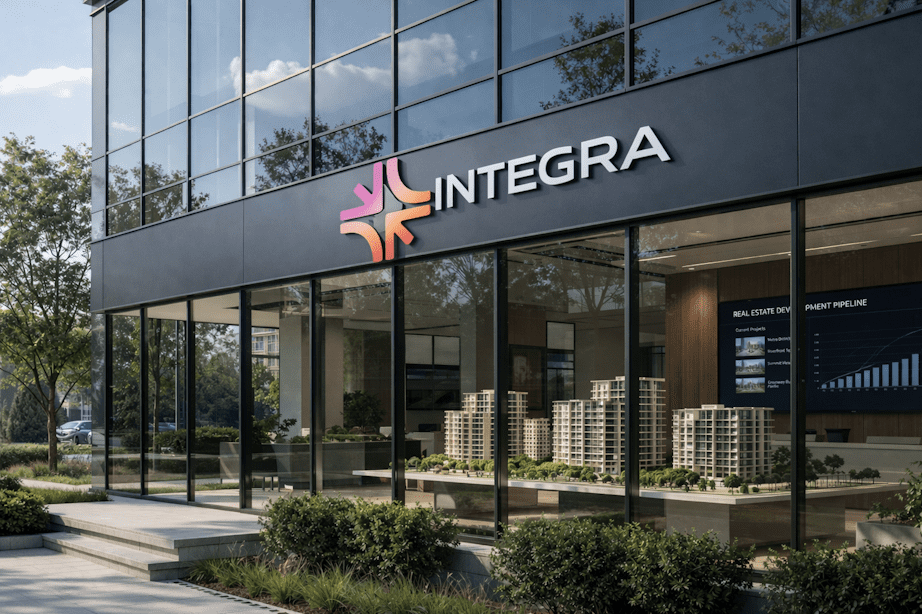
Integra Layer is a Layer 1 blockchain built specifically for real estate tokenization. It is not a general-purpose chain trying to handle everything. The project was designed from the start to deal with the real problems in property markets — illiquidity, paperwork, slow settlements, and complex compliance.
The team behind it comes from real estate asset managers. A consortium of global partners with more than $12 billion in assets under management is involved from the beginning. These are property developers, funds, and infrastructure providers across the U.S., Europe, and the Middle East. They are bringing actual properties to the network, not just plans.
What Integra Is Trying to Solve Real estate is one of the largest asset classes in the world, but it moves slowly. Buying or selling takes time, costs a lot in fees and paperwork, and most people cannot own a piece of a building without massive capital. Integra wants to change that by making properties fractional, tradable on-chain, and easier to manage while keeping things compliant.
The project says it does not tokenize just to tokenize. It is building infrastructure that institutions, governments, and regular users can actually trust. That means verifiable ownership records, automated cash flows from rents or dividends, and data that works across different chains and jurisdictions.
How the Tech Works Integra runs on the Cosmos SDK with Ethermint for EVM compatibility. This gives it Cosmos-style interoperability and security plus the ability to run Ethereum-style smart contracts. The network has layers focused on real estate-specific needs: core blockchain operations, asset handling, and applications for issuing and trading tokens.
One of the main features is the Asset Passport. Each verified property gets a dynamic profile that tracks activity across chains. It pulls in on-chain events and adds external data like valuations, location details, images, and documents. Lawyers, valuers, and inspectors verify the information. The passport is meant to be human-readable and searchable, so anyone can check ownership and history in one place.
The native token is $IRL. It handles fees, staking, governance, and ecosystem incentives. All transactions and compliance checks settle in $IRL.
Current Status Integra Layer Foundation / Leeward Management Limited is registered in the Cayman Islands. The site shows “Launch a Passport Coming Soon” and options to join the ecosystem. The consortium is already lined up with real assets, and tokenized properties are expected to generate rental income and dividends once live.
The project has joined groups working on compliant tokenization standards. It focuses on permissioned tokens and on-chain identity to meet regulatory requirements in different markets.
Why This Matters for RWAs Real estate is a $400 trillion market that stays mostly off-chain. If Integra works as planned, it could bring fractional ownership to more people, speed up trading, and automate payments without losing the legal side of things. That would add real liquidity to a market that has always been slow and expensive.
For the wider RWA space, a dedicated chain for one big asset class shows a different path. General blockchains often struggle with the legal and data needs of property. A specialized Layer 1 might handle compliance and cash flows better in the long run.
Practical Points to Watch If you follow RWAs, here is what to keep an eye on:
- First tokenized properties from the consortium — watch for announcements on actual buildings going live.
- How the Asset Passport works once launched — it is supposed to make ownership records clear and up to date.
- $IRL token utility — fees and staking will tie directly to network activity.
- Compliance features — permissioned tokens and identity tools are key for regulated real estate.
- Integration with other platforms — see how it connects to existing RWA tools or exchanges.
Start with the basics. Check the official site and dashboard when features roll out. Real estate moves slower than most crypto projects, so expect updates over months, not days.
Risks to Consider Tokenizing real estate brings real legal and operational hurdles. Custody, valuation, and local regulations vary by country. Early liquidity on any new chain can be thin. Execution risk is there — building a full Layer 1 with institutional assets takes time. Always look at the underlying properties, custodians, and legal structures before getting involved.
Bottom Line Integra Layer is a focused attempt to build blockchain infrastructure just for real estate. With $12 billion-plus in committed assets from a consortium of actual property players, it starts with more real backing than many RWA projects. If it delivers on verifiable data, compliance, and liquidity, it could help bring a big traditional market on-chain in a practical way.
Website https://integralayer.com
X Account https://x.com/integra_layer
RWA News Network will keep covering specialized infrastructure projects like this and how they fit into the tokenized asset space.
Subscribe to RWA News Network for updates on RWA Layer 1 projects, real estate tokenization, and institutional developments.
Institutional Data & Market Infrastructure
Lise and Kaiko Partner to Deliver Institutional-Grade Market Data for Tokenized Securities – RWA News April 2026
Lise and Kaiko have announced a partnership to provide institutional-grade market data for tokenized securities. The collaboration, reported within the last 24 hours, aims to bridge the gap between traditional finance data standards and the emerging tokenized real world assets (RWA) market.
Details of the Partnership Lise, a platform focused on tokenized asset infrastructure, is teaming up with Kaiko, a leading provider of crypto market data. The joint solution will deliver high-quality, reliable data feeds including pricing, volume, order book depth, and historical analytics specifically tailored for tokenized securities and RWAs.
This data will support institutional participants who require professional-grade information for trading, risk management, and portfolio construction in the tokenized space. The partnership addresses a key pain point: while RWAs are growing rapidly, many lack the robust market data infrastructure that traditional securities enjoy.
The RWA market (excluding stablecoins) has climbed significantly in 2026, with tokenized treasuries and other assets driving much of the growth. Accurate, institutional-grade data is essential for attracting larger capital flows and enabling sophisticated trading strategies.
Why This Partnership Matters Institutional investors and asset managers need trustworthy data before allocating substantial capital to new asset classes. By combining Lise’s tokenized asset expertise with Kaiko’s data infrastructure, the partnership creates a credible data layer for tokenized securities.
This development supports greater transparency and price discovery in the RWA sector. Better data reduces information asymmetry, helps institutions model risk accurately, and makes it easier for platforms to list and trade tokenized products.
Implications for Tokenized Real World Assets Improved market data will accelerate RWA adoption. Institutions can more confidently integrate tokenized treasuries, credit, equity, and other assets into portfolios. Retail platforms and DeFi protocols can also benefit from higher-quality feeds for better user experiences and risk controls.
The partnership contributes to the professionalization of the RWA market. As data infrastructure matures, the sector moves closer to the standards expected in traditional finance, which could unlock trillions in potential value over time.
Practical Considerations for Participants The new data offering has several implications:
- Better decision-making — Institutions and traders gain access to reliable pricing and volume data for tokenized assets.
- Risk management — Enhanced analytics help model volatility and liquidity in RWA products.
- Platform integration — Expect more exchanges and protocols to incorporate the data feeds.
- Monitoring — Watch for updates on available datasets and supported tokenized securities.
- Adoption signals — Institutional-grade data often precedes larger capital inflows into the sector.
These tools help participants navigate the evolving RWA landscape with greater confidence.
Risks and Limitations Data partnerships do not eliminate market risks or smart contract vulnerabilities. Coverage may initially focus on major tokenized products, with smaller assets added later. Institutions should verify data accuracy and combine multiple sources for robust analysis.
Outlook The Lise-Kaiko partnership represents an important step in building professional infrastructure for tokenized securities. As high-quality data becomes available, the RWA market gains the tools needed for sustained institutional growth and mainstream integration.
RWA News Network will continue covering data infrastructure, partnerships, and their role in the tokenized real world assets ecosystem.
Market Growth & Performance
Tokenized RWA Market Reaches $23.6 Billion with 66% Growth in 2026
The tokenized real world assets (RWA) market has expanded significantly in 2026, reaching approximately $23.6 billion according to data from DeFiLlama and related analytics platforms. This represents roughly 66% growth year-to-date, highlighting continued institutional interest and the expanding role of tokenization in bridging traditional finance with blockchain technology.
Overview of the Growth Tokenized RWAs, which include assets such as U.S. Treasuries, private credit, gold, and equities brought on-chain, have shown steady expansion throughout the year. The increase reflects broader adoption by asset managers, custodians, and platforms seeking to improve liquidity, enable fractional ownership, and provide 24/7 access to traditionally illiquid or restricted assets.
Key categories driving the growth include tokenized U.S. Treasuries, which continue to dominate as the largest segment due to their yield potential and relative stability. Other notable contributors are tokenized funds, gold-backed assets, and emerging tokenized equity products. The overall market has benefited from improved infrastructure, including better custody solutions and regulatory progress in several jurisdictions.
This growth builds on momentum from prior years, as more traditional financial institutions explore tokenization to modernize operations and reach new investor bases. The $23.6 billion figure marks a meaningful milestone, demonstrating that RWAs are moving beyond experimental pilots toward more established on-chain financial products.
Key Drivers Behind the Expansion Several factors have supported the 66% increase:
- Institutional participation — Major players have launched or expanded tokenized products, bringing credibility and larger capital inflows.
- Yield opportunities — Tokenized treasuries and credit products offer attractive yields in a decentralized environment, appealing to both retail and institutional users.
- Technological improvements — Advances in token standards, such as ERC-4626, have made it easier to issue and manage compliant tokenized assets.
- Regulatory tailwinds — Progress toward clearer frameworks in key markets has reduced uncertainty and encouraged more issuers to enter the space.
- Liquidity enhancements — Growing trading venues and integration with DeFi protocols have improved price discovery and capital efficiency.
These elements have combined to create a more robust ecosystem, with tokenized assets increasingly viewed as a practical complement to traditional portfolios.
Category Breakdown and Performance Tokenized U.S. Treasuries remain the cornerstone of the RWA market, providing a stable yield base and serving as collateral in various on-chain strategies. Tokenized credit products have also gained traction, offering exposure to private markets with greater transparency and accessibility.
Tokenized gold and other commodities have contributed to diversification, while tokenized equities and funds are showing early but promising growth. The expansion across multiple categories indicates healthy development rather than reliance on a single asset type.
Overall market data shows not only higher total value but also an increase in the number of asset holders, suggesting broader participation beyond early adopters.
Implications for the RWA Ecosystem The 66% growth strengthens the case for RWAs as a maturing sector. Higher market capitalization improves liquidity across platforms, reduces spreads, and makes it more attractive for new participants to enter. It also enhances composability in DeFi, where tokenized assets can serve as collateral or yield-generating components.
For traditional finance, the expansion signals that tokenization is becoming a viable tool for modernizing operations. Banks, asset managers, and exchanges are increasingly exploring how to integrate or compete with on-chain alternatives.
Retail investors benefit from fractional ownership and easier access to assets that were previously out of reach. The growth also supports innovation in areas such as real-time settlement and programmable finance.
Practical Considerations for Participants The latest market figures suggest several steps for those interested in RWAs:
- Review current exposure — Assess how tokenized assets fit within a diversified portfolio, balancing yield potential with risk.
- Focus on established categories — Tokenized treasuries and credit offer relatively lower volatility compared to newer segments.
- Monitor key metrics — Track TVL, holder growth, and category-specific performance using platforms like rwa.xyz and DeFiLlama.
- Evaluate platforms — Consider custody, compliance, and liquidity when selecting where to engage with tokenized products.
- Stay informed on developments — Regulatory updates and new product launches can influence market dynamics and opportunities.
These considerations help participants engage thoughtfully as the sector continues to scale.
Risks and Limitations While growth has been impressive, RWAs still carry risks. Market volatility can affect tokenized asset values, particularly in less liquid categories. Custody and issuer risks remain important factors, as does the evolving regulatory landscape. Investors should conduct thorough due diligence and avoid over-concentration in any single product or issuer.
Rapid expansion can also lead to periods of moderation or correction as the market matures.
Outlook The tokenized RWA market’s rise to $23.6 billion with 66% growth in 2026 demonstrates meaningful momentum. As infrastructure improves and more institutions participate, the sector appears well-positioned for further development. Continued focus on transparency, compliance, and real utility will be key to sustaining long-term expansion.
RWA News Network will continue tracking market data, growth trends, and key developments in tokenized real world assets.
Subscribe to RWA News Network for ongoing updates on RWA market performance, institutional activity, and new tokenized products.

Integra Layer: Dedicated Layer 1 Blockchain Built for Real Estate Tokenization with $12B+ Consortium – RWA News April 2026

Lise and Kaiko Partner to Deliver Institutional-Grade Market Data for Tokenized Securities – RWA News April 2026

Tokenized RWA Market Reaches $23.6 Billion with 66% Growth in 2026

Mitsubishi Corporation Adopts JPMorgan’s Kinexys Blockchain for Global Payments – A Major Step for Tokenized Corporate Treasury in 2026

Tokenized Real Estate Is Quietly Gaining Ground in 2026 as Institutions Line Up

Ripple Keeps Tightening RLUSD Supply with Fresh Burns – What It Means for Stablecoin Stability in 2026

Tokenized US Treasuries Reach $11B–$12B Record – Yields & Top Funds

RWA Projections 2026–2030: From $26 Billion Today to Multi-Trillion Scale

Fidelity Calls on SEC to Expand Broker-Dealer Crypto Capabilities via Alternative Trading Systems – RWA News

Robinhood CEO Vlad Tenev Urges CLARITY Act for Stablecoin Yields – RWA Boost in March 2026

BlackRock CEO Larry Fink and Coinbase CEO Brian Armstrong Both Bullish on Tokenization

Tokenized Real World Assets Surge Past $27 Billion in March 2026 – The Quiet Revolution Reshaping Global Finance
-
 Real World Assets4 months ago
Tokenized US Treasuries Reach $11B–$12B Record – Yields & Top Funds
-
Market Projections & Outlook4 months ago
RWA Projections 2026–2030: From $26 Billion Today to Multi-Trillion Scale
-
Real World Assets4 months ago
Fidelity Calls on SEC to Expand Broker-Dealer Crypto Capabilities via Alternative Trading Systems – RWA News
-
Real World Assets4 months ago
Robinhood CEO Vlad Tenev Urges CLARITY Act for Stablecoin Yields – RWA Boost in March 2026
-
Institutional Bullishness & Tokenization Outlook4 months ago
BlackRock CEO Larry Fink and Coinbase CEO Brian Armstrong Both Bullish on Tokenization
-
Market Data & Insights4 months ago
Tokenized Real World Assets Surge Past $27 Billion in March 2026 – The Quiet Revolution Reshaping Global Finance
-
AI & DeFi Yield Integration4 months ago
OpenLedger Adopts ERC-4626 for AI-Managed DeFi Yield – RWA News
-
Real World Assets4 months ago
Ripple Burns 9M RLUSD – What This Means for Tokenized Stablecoin Liquidity in RWA News 2026