Institutional Tokenization & ETF Innovation
CFTC Approves Backpack as First Blockchain-Based Derivatives Exchange and Clearinghouse
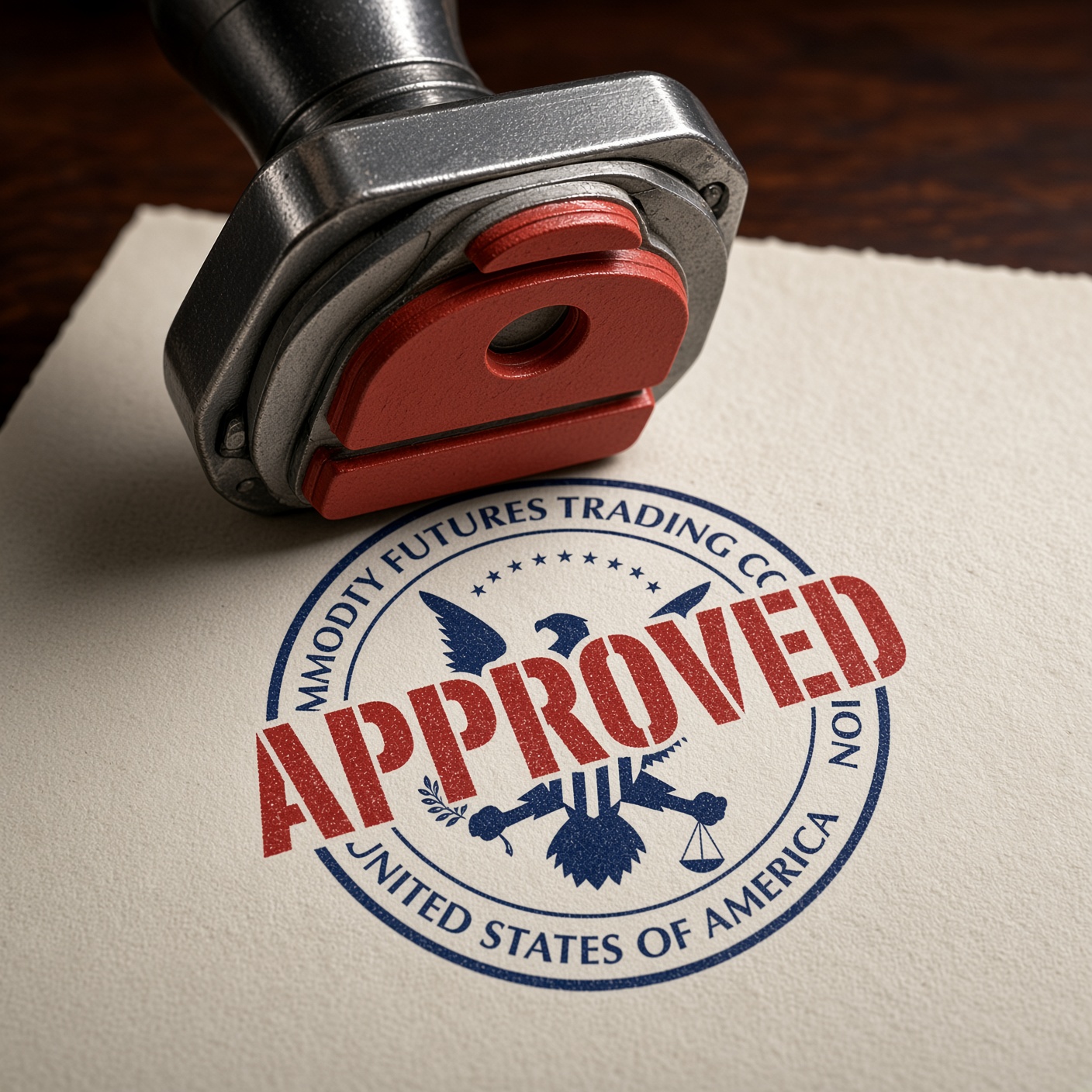
CFTC Chairman Mike Selig posted on November 16 that the agency had approved the first exchange and clearinghouse applications for a firm using blockchain-based architecture to execute and settle derivatives. The statement did not name the company. Backpack announced the same day that it had received both approvals.
Selig’s formal statement on the CFTC website framed the decision as evidence that existing rules can accommodate new technology. The Commodity Exchange Act sets core principles for exchanges and clearinghouses without requiring a specific technical design, he wrote. Firms using blockchain infrastructure still have to meet the same standards as traditional venues, including anti-money laundering controls, customer protection, segregation of client funds, market surveillance, financial resources, risk management, and system safeguards. The approvals, he said, show there is a regulated pathway for market infrastructure built on blockchain technology and that the United States remains open to innovators.
Backpack is coming home to the USA. 🇺🇸
We’ve received landmark CFTC approval to establish the first-ever derivatives exchange powered by one order book with unified global liquidity.
Leveraged perpetuals. Crypto collateral. Cross-margin. 24/7 trading.
Join the waitlist: https://t.co/xnByot5jxX
LFG 🎒
— Backpack 🎒 (@Backpack) November 16, 2026
Backpack’s U.S. entities are TLD Markets, Inc. (doing business as Backpack Exchange) and TLD Clearing, Inc. (doing business as Backpack Clearing). The CFTC registered TLD Clearing as a derivatives clearing organization on November 13, authorizing it to clear margined futures as well as fully collateralized futures, options on futures, and swaps. Three days later it designated TLD Markets as a designated contract market. Backpack has said the licenses will allow it to offer leveraged crypto perpetual futures to U.S. customers with 24/7 trading, crypto or fiat collateral, cross-margining, and access to a unified global order book. No launch date has been given; the company has opened a waitlist.
Armani Ferrante, Backpack’s founder and CEO, replied directly to Selig’s post, writing that the approvals were meaningful for American founders who wanted to serve their home market and that he was excited to bring Backpack to the USA. Mark Wetjen, president of Backpack US, called the licenses a “really big deal” in the company’s announcement and said they demonstrated that high regulatory standards and blockchain innovation can operate together.
tZERO also received exchange and clearinghouse approvals on a slightly earlier timeline, according to multiple reports. Its clearing entity was registered in October and its exchange was designated in early November. Selig’s public statement referred to “a firm” in the singular and did not distinguish between the two companies, but both have publicly confirmed they hold the relevant CFTC statuses for blockchain-based derivatives infrastructure.
Building the first CFTC-approved, crypto-native financial infrastructure to unify the world’s liquidity onshore. 🇺🇸 https://t.co/O28d5e6P65
— Backpack 🎒 (@Backpack) November 17, 2026
The practical effect is that U.S. traders will eventually be able to trade leveraged perpetual futures on a venue whose execution and settlement architecture is built on blockchain technology, while the exchange and clearinghouse remain under the same core regulatory framework that applies to traditional derivatives markets. Price discovery that has largely occurred on offshore platforms can now move onshore under CFTC oversight. Trading is not yet live, and the approvals do not change the fact that the firms must continue to meet ongoing compliance, surveillance, and risk-management obligations. What changed on November 16 is that the CFTC has now signed off on the first applications that use blockchain rails for both the exchange and the clearinghouse functions.



CFTC Approves Backpack as First Blockchain-Based Derivatives Exchange and Clearinghouse

“The Capital Market Wars”: Sunrise’s Breakpoint Keynote and the API That Brings Stocks to Jupiter, OKX, and More

Solana Just Had a BIG Day: NYSE, Zelle, SoFi and More Make Major Moves

ITIA Opens Whitelist for Free 1,111-Piece Genesis Collection on Ethereum as Applications Surpass 25,000

RWA Projections 2026–2030: From $26 Billion Today to Multi-Trillion Scale

Tokenized US Treasuries Reach $11B–$12B Record – Yields & Top Funds
-
 NFTs1 week ago
ITIA Opens Whitelist for Free 1,111-Piece Genesis Collection on Ethereum as Applications Surpass 25,000
-
Market Projections & Outlook8 months ago
RWA Projections 2026–2030: From $26 Billion Today to Multi-Trillion Scale
-
Real World Assets8 months ago
Tokenized US Treasuries Reach $11B–$12B Record – Yields & Top Funds
-
Litecoin5 days ago
Litecoin Just Took a Major Step Toward Smart Contracts – Mainnet Is Getting Closer
-
Market Data & Insights8 months ago
Tokenized Real World Assets Surge Past $27 Billion in March 2026 – The Quiet Revolution Reshaping Global Finance
-
Institutional & Collateral Updates8 months ago
JPMorgan Now Accepting Bitcoin and Ethereum as Institutional Collateral – RWA News March 2026
-
Market Growth & Performance1 week ago
Robinhood Chain’s Stock Tokens Now Sit in Nearly 1.7 Million Wallets
-
Solana3 days ago
Solana Breakpoint 2026 Is About to Start in London – Here’s Who Has the Most Hype and What They’re Shipping